
|
Getting your Trinity Audio player ready...
|
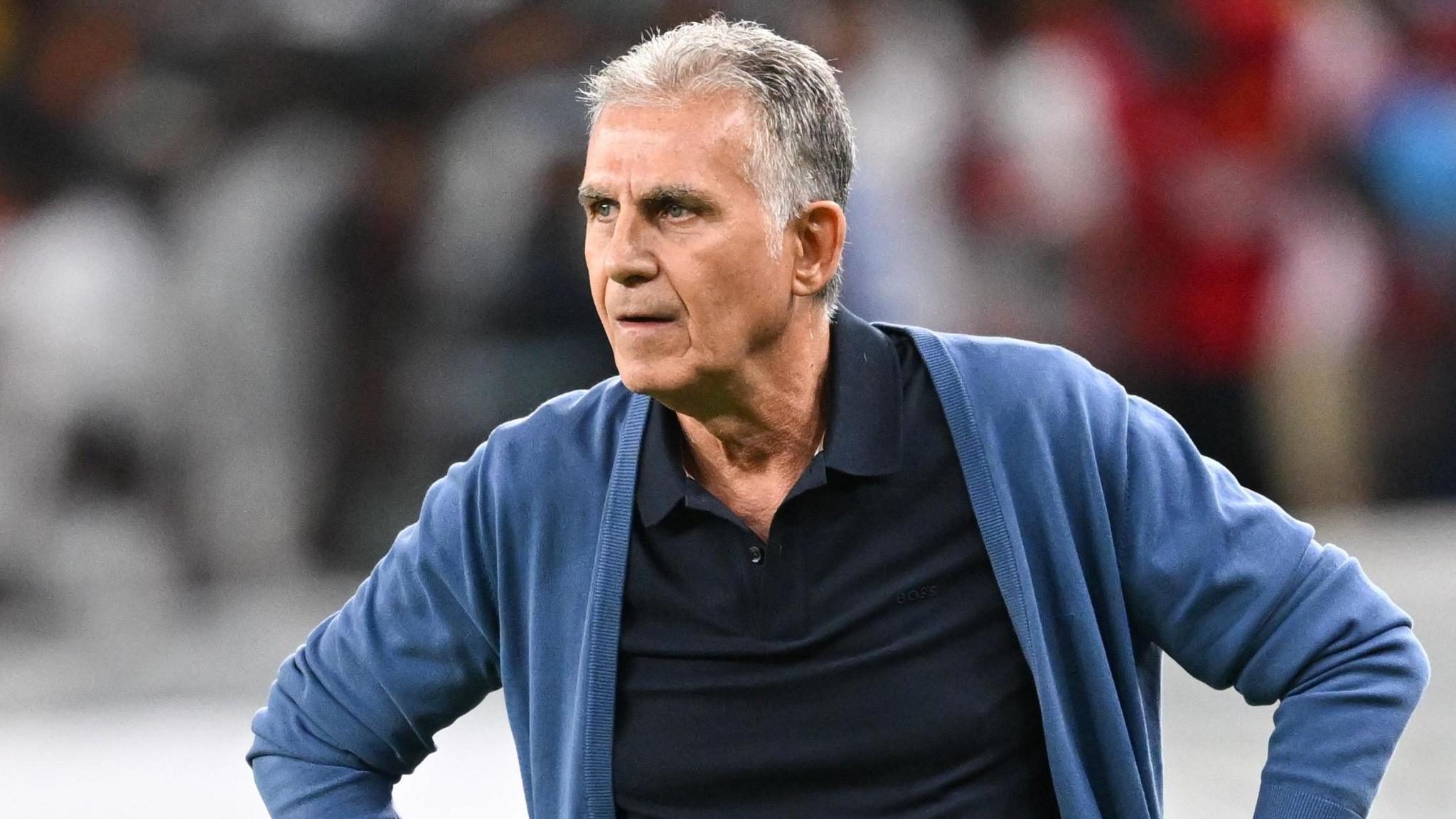
Carlos Queiroz’s departure from the Black Stars has opened another chapter of uncertainty around Ghana’s national team, with the Ghana Football Association (GFA) now expected to decide how best to steer the team through its next phase.
The GFA and the Portuguese coach have mutually agreed to terminate the Service Agreement governing his role as head coach. The decision followed discussions between both parties and, according to the Association, was reached with the interests of Ghana, the Black Stars and Ghanaian football in mind.
The timing of the announcement makes the decision particularly significant. Queiroz was appointed to lead Ghana ahead of preparations for the 2026 FIFA World Cup and the 2027 Africa Cup of Nations qualifiers. His mandate therefore came at a point when the Black Stars needed continuity, clear direction and a technical structure capable of handling competing demands on the national team.
Instead, Ghana is once again preparing for a change in leadership.
The GFA described the decision as difficult but said both sides concluded that ending their professional relationship was the most appropriate course of action under the present circumstances. That wording points to a separation that was agreed rather than a unilateral dismissal, although the Association did not provide specific details about the circumstances that led to the decision.
That leaves several questions for Ghanaian football.
One of the immediate concerns is continuity. Every change of coach brings adjustments to tactical ideas, player selection, training methods and the broader relationship between the technical team and the squad. The extent of those changes will depend heavily on who takes responsibility for the Black Stars next and how quickly the GFA wants the transition to happen.
The challenge is not simply finding another prominent name. The next technical arrangement will have to fit the demands of Ghana’s international calendar while providing a clear footballing direction. A coaching change can offer an opportunity to reassess the team, but repeated changes can also make it harder to establish consistency if each new appointment comes with a different philosophy.
Queiroz’s exit also places renewed attention on the GFA’s decision-making process. The Association has thanked the Portuguese coach for his “commitment, professionalism and dedication” and praised his contribution towards building a stronger future for the national team and supporting Ghanaian talent.
The GFA also extended its appreciation to his technical staff, acknowledging their role in what it described as the Black Stars project.
Those statements underline the Association’s intention to close the relationship respectfully rather than allow the departure to overshadow the wider objectives of the national team.
The players’ immediate priority, however, will be maintaining focus. A coaching transition can create uncertainty over roles and expectations, particularly for those who had become important to the previous technical setup. The next coach will have to assess the squad quickly while establishing authority and clarity without unnecessarily disrupting the team.
The GFA has said it will announce detailed technical arrangements and the next steps regarding the leadership of the Black Stars in due course. That announcement will be closely watched because it should provide a clearer picture of whether the Association intends to make a straightforward coaching appointment or introduce a broader technical restructuring.
Queiroz’s departure is therefore more than the end of one coaching tenure. It is another test of how Ghana manages the leadership of its most closely followed national sporting institution.
The Black Stars now enter another transition, and the decisions taken in the coming weeks will determine how that transition is managed, from the choice of technical leadership to the footballing philosophy expected to guide the team.
Ghana’s immediate task is to turn another coaching change into a structured process rather than allowing uncertainty to become the defining feature of the next chapter.